Karag-karag na Lagaw-lagaw

Initial draft of the CNF submitted in the First Pasig City Writers Workshop

Dear M—,

Naalala mo pa noong college, patay na patay ako sa iyo? Nag-confess ako sa iyo Friday night, tapos nag-break na tayo Monday night, sa may catwalk habang naulan nang malakas at maghihintay ito tumila, kasama ng mga tsismosa nating kabarkada? Sa sobrang lungkot ko, naisip ko bumili ng notebook, at magpalitan tayo ng mga liham sa isa’t-isa, ipapahiram ito bawat gabi, at itinatala ang mga ginawa nating pag-aaral sa maghapon? Hindi ko naisip that it would be my writing style; ang naisip ko noon, gusto kitang makilala, kasama ng pagkilala ko sa mga riles ng PNR bilang main transport natin kapag sabay tayong uuwi after class. Kapag may pagkakataon akong sumabay sa iyo pauwi south-bound, isusugal ko ang oras ng commute at ng mahabang pasensya ng paghihintay sa second to the last trip to San Pedro, kung saan standing sa tren at kakarag-karag, mala-Home Along da Riles circa 2004.

Naalala lang kita nang magawi kami rito sa Albay at nakita ang mga riles na nababalot na ng carabao grass, o natatabunan ng aspalto sa National Road para sa sasakyan, at naisip kong sobrang bonak talaga ng mass transit sa Pinas. Hindi mo mae-enjoy ang magkakawatak at magkakalayong rancho at tourist spot ng Bicol region kung wala kang kotse. Malayong-malayo sa Japan kung saan bawat tourist spot eh may train station sa tabi.

Naisip rin kita nang makilala ko si J—. Galing rin sya sa school natin, pero team-dorm sya, hindi team-riles. Puru siya aral, at never nakasakay ng PNR, kaya ibang-iba ang kwentong promdi niya sa mabangis na lungsod. Nasa bansa na rin sya ng may effective bus transit at hyperinflated car prices kasi maliit ang lupain ng mala-NY na ASEAN nation. ‘Kako sa kanya, ninais ko rin sumulat ng kwentong paglalakbay at pagkakaugnay — sa pamamagitan ng paggamit ng tren. Naalala ko na sinubukan ko yun noong college. Sinubukan ko sa iyo noon.

Parang tayong tren: mga riles ang nagdudugtong sa atin mula sa malalayo, riles din ang mahihiwalay sa atin kapag nasa gitna ito ng tawiran. It bridges the far distances to a close, and yet, we break away if we’re too close. Gusto ko ring isulat ang kabalintunaan ng riles, katulad ng kalakhang maynila na napapalibutan ng balintunay: sa bawat barangay may solo-living sa mataas na condo na kapitbahay na class C at D na bahay na bato at lulan ang isang angkan. Parang tayo, na kahit anong pilit kong lumapit sa iyo noon, kapag hindi uukol, hindi bubukol. Ngayon tuloy, hirap kang igapang ang ipon mo sa mamahaling bilihin ng diaper at isasabay mo pa sa iyong hinuhulugang motor.

But that’s another matter of irony. Hindi babagay sa balak kong isulat.

Na-enjoy ko ang Bicol, M. Kaya lang nalungkot ako kasi sa pag-enjoy ko, kailangan pa ng kaibigan kong humanap ng rent-a-car at puntahan ang mga lugar na may magandang view ng Mayon, at pwedeng picture-an pang-instagram. Kung hindi mo nalalaman, ang lakas ko maka-jeje sa social media. Gusto ko parati akong may picture sa travel ko, lalo na ngayong hindi ako masyado nakakapag-travel na. Kaya siguro hirap din sa pagsusulat, dahil hindi na masyado nakakapaglakbay. Adulting is so hard, I am faced with the challenges of purchasing furnitures and fixtures, that I sometimes losing contact with friends, and even losing sleep. Puru labas ang pera, pero para sa investment naman daw ang sabi nila. Parang sugal, para sa maalwal na pamumuhay.

Sana ganun din ang ating gobyerno, marunong sumugal para sa maalwal na pamumuhay ng mga tao. Kahit man lang sa mga bus na on-time, o sa mga LRT at MRT na dumarating na every two minutes sana. Pinakamaganda, ibalik nila ang long-distance rail transit mula Tayuman hanggang Bicol. Hindi yung puru San Pedro. Iabot na nila hanggang dito sa Albay. Better yet, get it done until Sorsogon. Para wala na akong dahilan bakit hindi ako makatawid ng Leyte. Ang probinsya ng tatay kong aning-aning na at hindi man lang death-ready ngayong matindi na ang sakit niya. Hay, nalulungkot ako na ang Pilipinas ay katulad ng tatay ko: lakas mangutang ng pera, pero hindi man lang maglaan sa kinabukasan. Hipak pa ng bisyo.

Sa pamamagitan ng kotseng hiram ay nakarating ako sa Green Hills ng Quitinday. Hindi ito shopping center oi, literal na berdeng burol na may kubo at matatanaw ang perfect cone kapag naiakyat mo ang lampas 100 steps assault. Eka nila, isang Congressman na raw ang bumili nito. Revoked ang ancestral domain. Wala man lang malasakit. Paano na kapag nagkaroon ng 100% ownership sa saligang batas? Hindi ako against sa ganung economic policy, pero kung hindi epektibo ang Tax Code nating circa 1977, paano natin masisingil ang mga panginoong maylupa, di ba? Hindi nga rin effective ang AMLA natin kasi andami paring naglalaba ng pera sa mga casino eh. Laba-pera habang nanonood ng Broadway. Ganun ang burgis way. Sometimes, free check-in for a patron. Oha, maging permanent resident ka lang ng sugalan para tuluy-tuloy ang money integrating. Hindi ko lang alam kung alam mo pa ang ibig kong sabihin; hindi ka na accountant, di ba? Nasa call center ka ng payables-receivables, kung saan mas nakaka-relate ka kung paano magsesettle ng mga credit card bills ng misis mo, kaka-hoard ng mga baby supplies sa Lazada kada buwan.

Sa dami ng gusto kong isulat kapag ako ay naglalakbay, hindi ko na maipili ano ang uunahin ko. Katulad ng paggamit ko sa notebook natin, parang dumpster lang ng mga iniisip ko ang notes app dito sa phone. Mas maganda ang tech ngayon, all of these are stored in a cloud. Hindi katulad ng notebook natin na nawawala na nang makita ni mama ito at itinambak sa kung saan, tapos ayun, Ondoy happened.

I just wanted to write about travel and connections and yet here we are: me trying again to connect to you via this epistolary exposition and you not knowing where I was and what I am doing. Kaya heto ako, nakahigang nagta-type habang tanaw ang mahiyaing Mayon.

So. Kumusta? 
Solidaridad Soledad Soliman Solosolosol

Book Review of Gun Dealers’ Daughter: A Novel by Gina Apostol

Wow, my reading experience is an adventure!!!

I was tasked to moderate Gina’s another novel, The Revolution According to Raymundo Mata, but since that book is more confusing and more tricky (with its literary styles), I tried searching for her other works in linear form. After her short story in Manila Noir, this came as another alternative. Bibliolepsy, meanwhile is to be re-released next year, by Soho Press. 

But then again, this book is not really straight-forward. It composed of puns, reiterating moments, scenes going around in circles, and ending scene with a carousel, taking the circular trip literally and figuratively. The book is about Soledad Soliman and her world revolving around the Alta-de-sociedad of the 70s, with the dictator & his wife on cameo, the latter singing Dandansoy and flexing her aesthetic tastes in music and art. Her parents, Frankie and Queenie, are those visionary businessmen who provides military might, via gun trade. They have a beshie who used to do gangster moves – Uncle Gianni, the soltero who helped Sol recuperate in Europe.

Reading the first part is hard for me, not engaging at times. It only kicked off when she started narrating her piece of story, at around chapter 6. After surviving the first 5 chapters with its confusing POVs, the plot started kicking in. It is not fast-paced, there are parts that circulate. Pages that ruminates. Lines being repeated, or words being reiterated. I liked its lyrical appeal. Also, some scenes are really memorable. The long queue of limousines at CCP because the audiences do not walk, the Philippine Insurgency medallion stirred over a coffee, and the fantasy of Sol and Jed doing the deed while stealing guns.

The ending is not like an action film, but rather an update of these Martial Law babies, and it seemed rather unattached to its full-circle effect. But sometimes this is how our stories play in our mind: sometimes intense, but mostly detached.

I suggest that GenZ should really read this to get our of their petit-bourgeois fantasies and really get a grasp of how the Pinoy society works, especially now that our social climate gets to its primitive dog-eat-dog realm.

August 21st, 1AM

[It was a cool August night, and a rare chance to take a holiday. But instead of being stuck in my bedroom, I pretended to be a doctor that day, inviting resident doctors to a seminar.

But there are other stories that day… about plans for the future, with donuts and black coffee. About nothing, but going up. And there’s this]

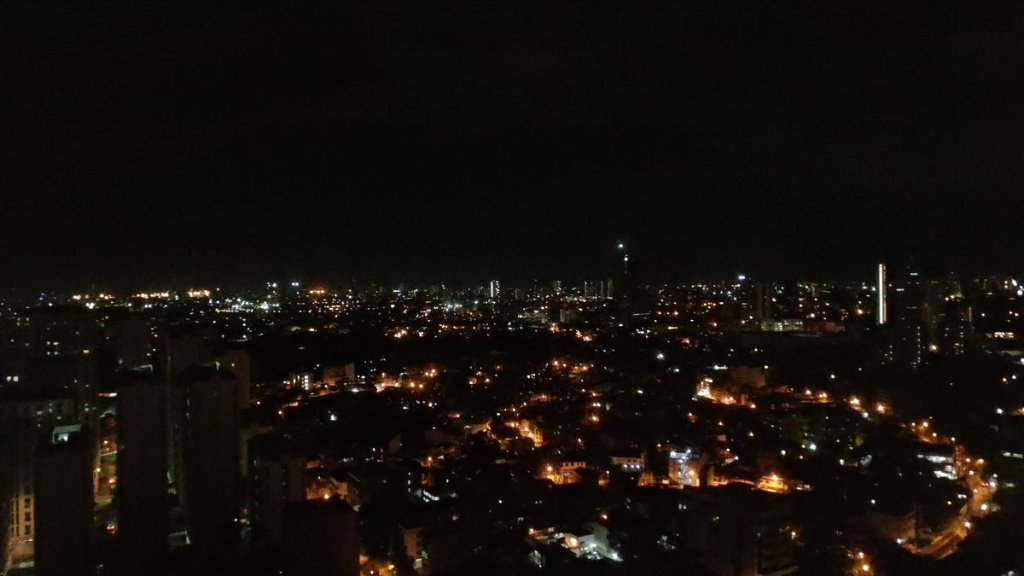
Yellow lights glimmer like fireflies in midnight. The city is still awake, while its inhabitants are about to sleep. In the midst of fewer vehicles, walking paces and fluorescent convenient stores, there are two souls sighing their declarations of love and consummation of lust.

There are two pairs of eyes, looking at the city below and enjoying its view.

Two lips entwined, in I love you’s and suppressed moans. Two pairs of hands, touching and owning one another. Two souls thrusting and celebrating a little piece of heaven – that their little bubble has created and contained.

Such is the language of admiration and affirmation; that no matter how noisy the city is at night, these two jejemons, or so-called batang-hamog, enjoy the luxury of being on top of the world, having their little solace and peace.

The Quiet Made Some Noise

A Book Talakayan of Glenn Diaz’s The Quiet Ones

This is the First Draft of the Book Discussion log for the Pinoy Reads Pinoy Books #BookTalakayan that happened last July 21, 2018.

It was out of the PRPB monthly routine, the event was the third Saturday rather than the first. And, it was the author’s last hurrah, before flying out to the land down under. Last July 21, in the middle of the rain, flood and traffic, we conducted the Book Talakayan with Glenn Diaz. We found our safe haven in SGD Coffee in UP Teacher’s Village, Quezon City.

Usual events first took place – introducing oneself, what do you do in life, and what is your favorite part of the book. In a circle of more than 15 participants, the common favorite was this:

“We are the City! What is a city without inhabitants? Nothing but plants and hills and rivers. Or flood plains and esteros… The city is not a place. It is a social arrangement. Defined by concession. By consensus. It is us. A city ends when there are no longer people to define it.”

This striking quote is a birthplace of multiple short stories created as sub-plots, and remapping the interweaving narratives of Glenn’s first novel The Quiet Ones. As I asked where this work started, he zeroed in to Kilometer Zero, his short story of a Filipino and an American Anthropologist who wanted to write about Manila, coming from a foreigner’s point of view.

Glenn claims he’s Manilenyo, born and  grew up in Sta. Mesa, with Ilocano parents. For us who have read the book through and through, this explains the alluring noise of Manila, and its stark contrast with the disturbing peace of Pagudpud. He does his research not as intently as I thought it would be, for he is not like the writers I imagined (those who do the mind-map and tried to bleed out the ideas from shelled-out themes).

For me, he broke the current tropes of poverty porn by creating a white noise in the daily lives of the Pinoys. By the novel more humane, he actually made bus routes, LRT tracks, and the concrete pavements of the Ayala Business District immersive and alluring – creating romance in the mundane. It was an effort, he says. “Let’s demystify writing, it takes hours of labor to put it into a piece of work.” Elaborating the unlearning, he says he desynthesized the angsty tones in his young working student years (he used to be a work in People Support from 2005-2007), making the familiar places more sentimental. He sees his former workplace with a nostalgic tone – the Lung Center, Paydays and American Holidays and  Pecha de peligo – that he even thought that this phase will delay his graduation to finally get a move on with life.

The discussion were a bit disjointed; like the novel itself, series of questions were not made in linear form, but instead, it is a traverse between multiple moments, interjecting personal questions in between. Let’s say, more of probing the author himself. Instead of continuously reflecting into the quiet, it oftentimes got escalated with the [Questions of the Tita], triggering bluntness and candor in snippets of serious questions.

And the noises came in.

In a series of candid questions – reflecting on the romantic moments between Carolina and Reynaldo, Philip and Eric, Alvin and Scott – these subplots with partnered characters is a work of fiction. I see it as a staple statement to veer away more personal questions, but to be able to write a female perspective is his way of channeling Lorrie Moore. And actually, seeing himself as Carolina. He did say about an old couple he saw in Pagudpud. Perhaps, it also gave an inspiration to create a female character and a summer romance with build-up tensions at the end of the chapter.

In discussing the Palanca stint, he actually did not expect it to win. He just wrote the novel to get the project done, made an impulse decision (more of #YOLO) to submit it for Palanca Awards, and actually won without any backups, or so-called politicality of it all. He has this look that he doesn’t want his work to be tagged in the words of “Palanca Winner”; more of he was happy if he hears about a reader raving reviews without the knowledge about the award-giving body.

Calisthenic writing, is there such a thing in The Quiet Ones?

He says the first chapter itself is a writing exercise. He wanted to challenge himself if he can write an action-filled part, focusing more on the plot rather than the character’s stream of consciousness. But alas, it cannot maintain it’s consistency. I guess, it is more of his buying in to the readers to get engaged before immersing. In addition, having WE as the first-person-plural point of view is an observation from the creative writers and readers alike – and he says it is not him being part of an equation (i.e. Alvin + Glenn Diaz), but rather, it is a collective term for The Workforce.

Marie meanwhile, as an omnipresent character throughout the novel was not a writing exercise, not even an intention to create tangent points with the characters across the novel. She is the missing link, but Glenn emphasized that it was our insight in seeing that way. She used to have her own chapter, but in the end removed. For me, she represented the essence of a person sans the spotlight; like an old friend who was always there, waiting.

After closing the book discussion, I personally have a renewed love-hate relationship with Manila. Perhaps if I look at Kilometer Zero again, I might see a ghost of a Scott saying “Mahal na mahal mo itong lungsod, ano…?”

What happened?

“Ikaw, nakakapagsulat ka pa ba?”

Rats. There’s the conjuction [pa], a tone of freedom, of a luxurious item called time. 

As I look again into this old site, the latest post was a summer affair with Siri Hustvedt. After that is years of silence. Let’s say, life happened in between. So fast – you cannot afford to stop and list them all down. Either that, or you are too tired to remember. 

After all, the moments that we write are those we want to remember. 

And please, let’s demystify writing. It is a creative thing, yes, but it is also a laborious work. It takes more than five minutes of sitting down and construct ideas in your mind, put all the tone of angst or a passive nuances on the events happened through you and you let your hands do the work. Or in my case, letting my fingers type in my laptop. 

“Wala na, wala na kasi akong oras eh.” 

Perhaps, what added up to the katamaran are distractions. Measured distractions. Measured, in a sense that I can just put my emotions and frustrations in a cohesive thought, filling the screen with 160-230 characters, or a simple photo with a short caption. Or better yet, getting offline and get a move – either thru reading, or immersive travelling.

Siguro, that blast from the past who came around four years later made me see my younger self again. What was I like before? Was I happier? Was I angsty before? Well, I am still angsty but in terms of being soci-politically woke, but maintaining that persona on a personal note is a tough job. I am too Tita to function now. Too tita, too much #Adulting.

But it feels good to write once in a while. It feels good now. This felt good. I do hope I can write more, just about anything. Not just about the books I read, but also the personal lessons on my travels. and I do hope I learn not to take the shorter route of 230 characters, and make it a blog post. Like this.

Thank you, Cyrus. And as I see your site, it’s time to update yours. 😏