PRPB’s Book Talakayan of Siege Malvar’s Team Building and Strat Planning
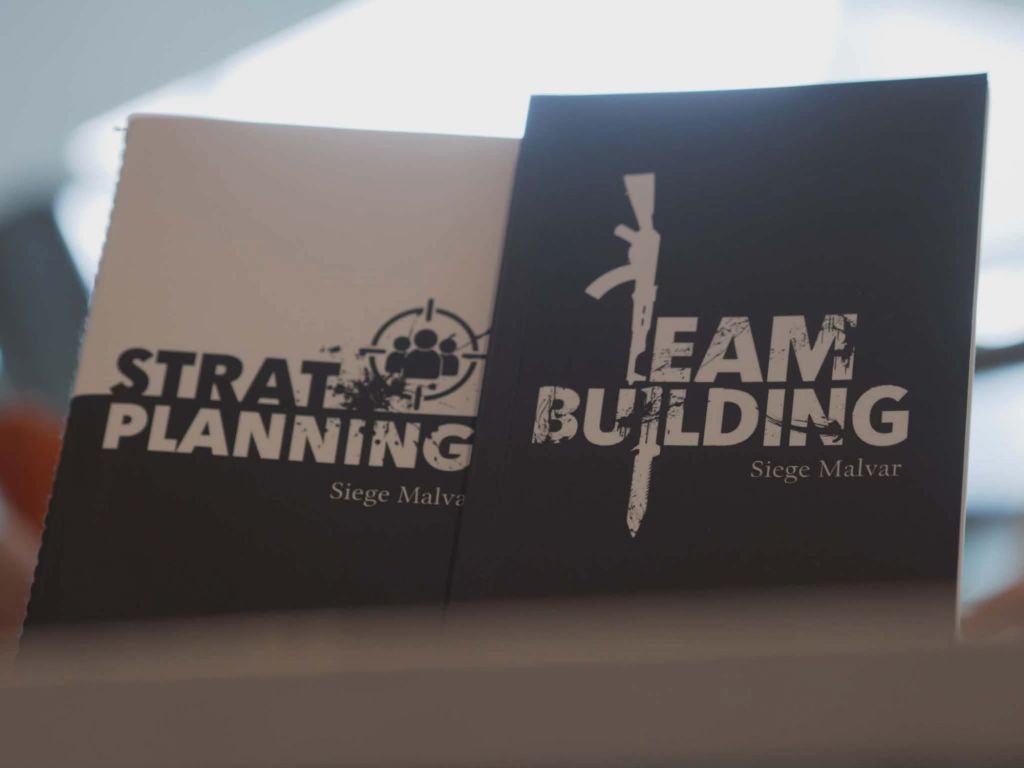
One of the most interesting interviews I’ve done so far happened last Sunday, June 28th at The Stacks, One Ayala. I’ve interviewed several authors before and usually ask about their writing process and the ideas behind their work. But this was the first time I got to interview an author whose books I had actually given a 1-star review. As a critical reader, I felt that I still owed the books—and the author—honest but respectful questions about 𝘛𝘦𝘢𝘮 𝘉𝘶𝘪𝘭𝘥𝘪𝘯𝘨 and 𝘚𝘵𝘳𝘢𝘵 𝘗𝘭𝘢𝘯𝘯𝘪𝘯𝘨.
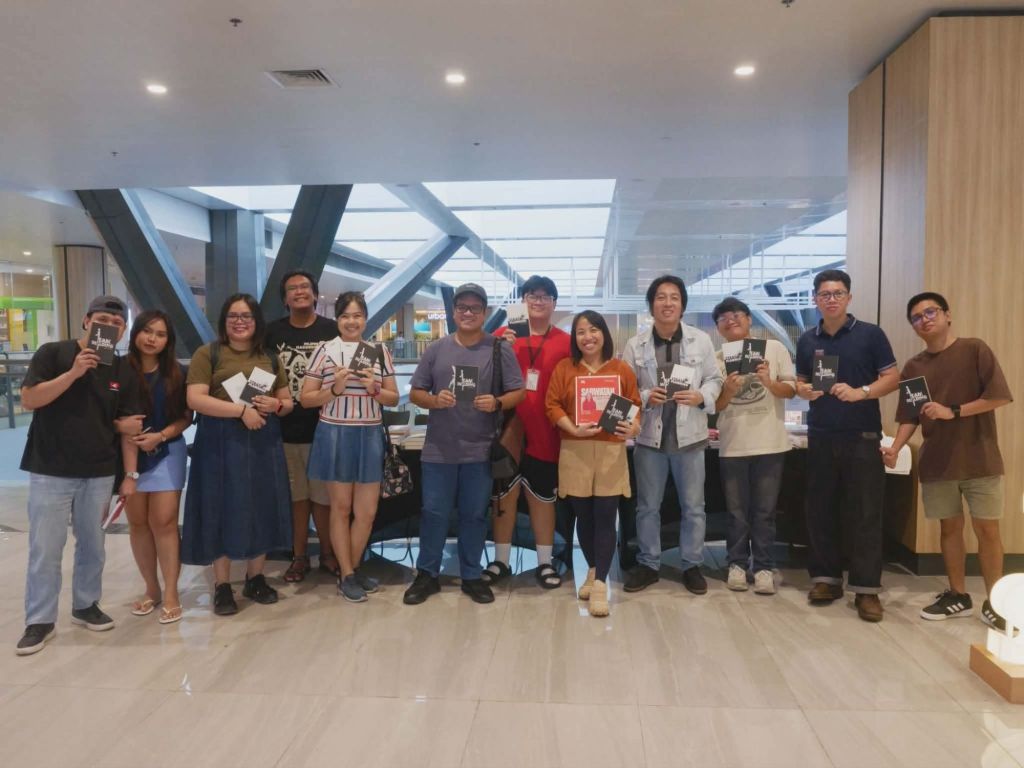
We started the discussion with the usual introductions of Pinoy Reads Pinoy Books, its vision to champion Filipinos and their writing, and engagements to the third spaces. Then I asked the audience to introduce themselves with their names, and the water bottle brands they carry. A water bottle is an important belonging to every Pinoy nowadays, and it was also a very important plot device in Siege’s books.
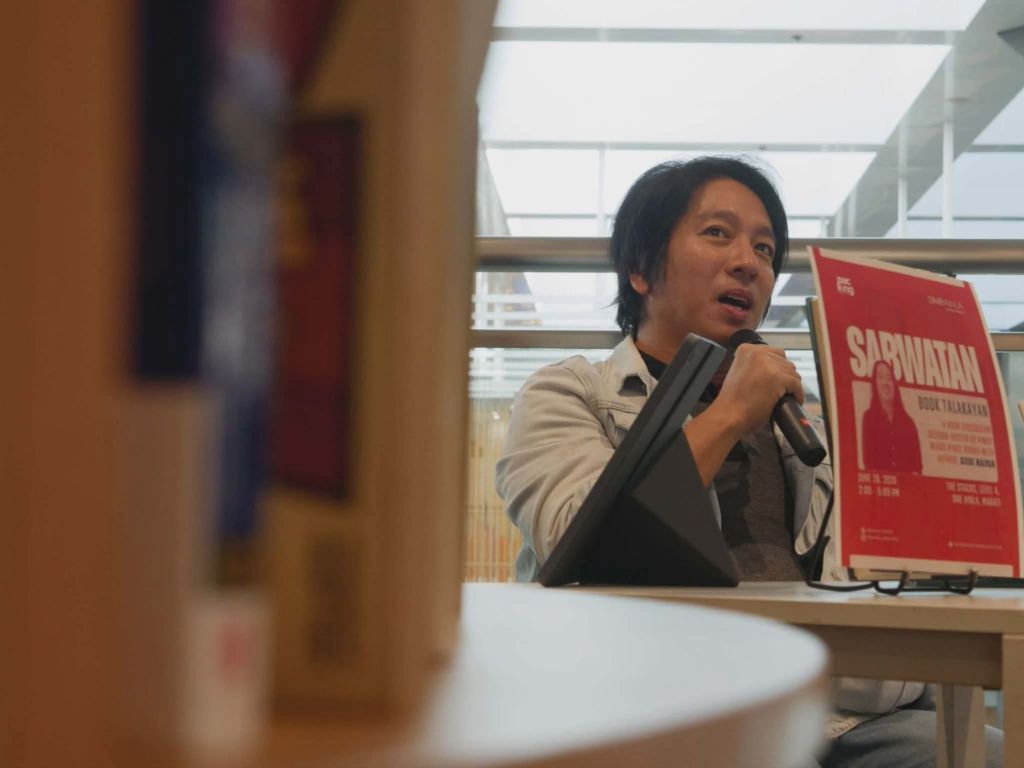
With my tablet, I crafted the questions in “corporate speak”, a language representing different departments of an enterprise. After all, Siege’s Linkedin profile mentions, “sell stories, weaponize truths, and create blueprints for communication”. Using root-cause analysis, I asked the first question, as if “relayed by the Research & Development Department”, and the author said that it was the real-life tragedy that inspired Team Building.
The story came from a deeply personal experience: while attending a company team building outside Manila, his father passed away. On his way home, the van he was riding in got into an accident with a motorcycle, leaving him stranded for hours while waiting for another vehicle. Curious neighbors wondered who the lone passenger was, if he was a politician or an actor avoiding the public, without realizing he was simply grieving. That tension between personal loss and the corporate expectation of building a “family” became the seed for what I like to call his Corporate Cycle Novellas.
I also found it interesting that despite never becoming a fellow in any national writers workshop, he’s very open to literary criticism. He doesn’t see criticism as an attack but as part of the conversation between a writer and different kinds of readers. It was refreshing to hear someone speak so openly about receiving feedback, especially after reading works that I personally didn’t enjoy.
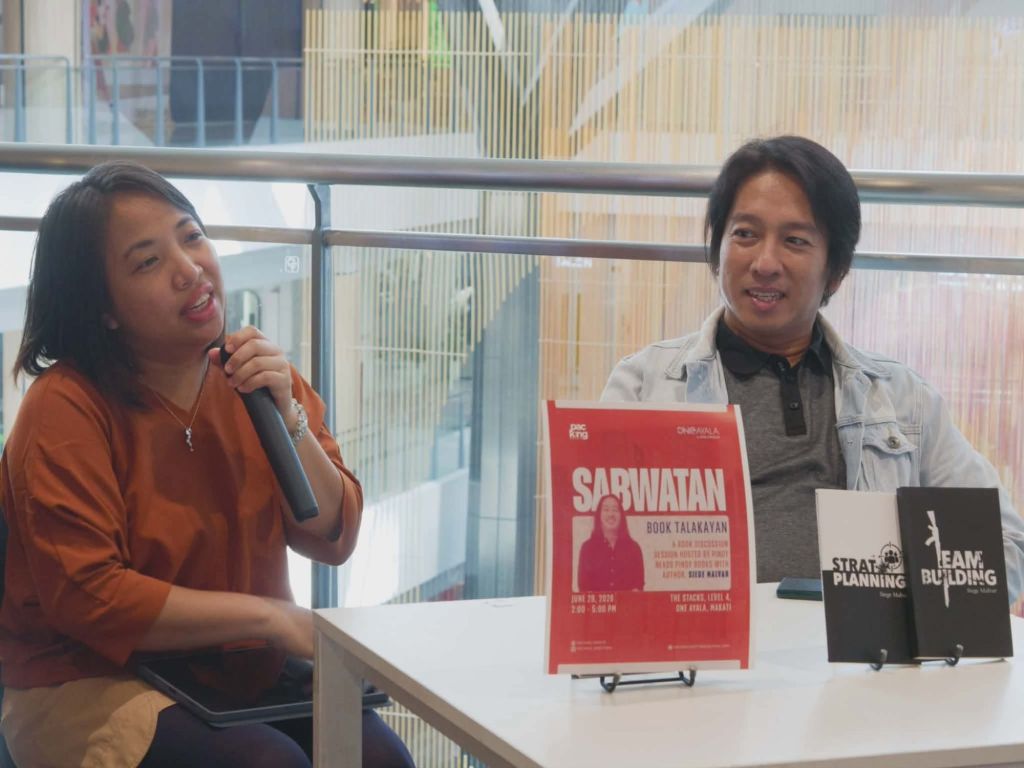
Talking to him also reminded me that authors are often more layered than the characters they create. “As relayed by the metrics of the Human Resources”, I jested, I asked his current state from the spectrum of Sue to Mindy: Sue being the ruthless to people in the team while on the other end, Mindy having the patronizing maternal kindness. He mentioned that in real practice of his career, he is the whole spectrum: he could be as ruthless as Sue and as nurturing as Mindy, which made me appreciate how much of himself he had poured into these stories. He asked me the same question, using the same spectrum. I bluntly answered back with a 95% Sue, while my 5% humanity is poured outside of the Corporate — which is this book club. Perhaps it was also a personal wake up call to treat every encounter with kindness and compassion, even after giving his book a one-star review.
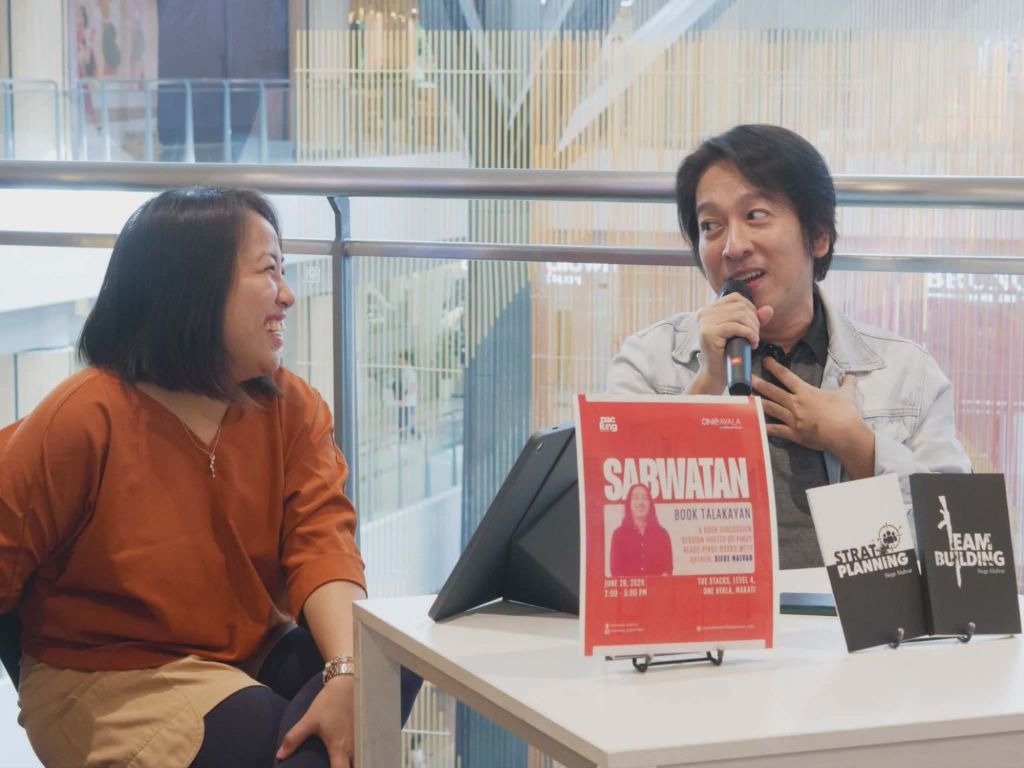
Coming from the Ethics and Governance commitee, I asked, “What haunted him the most about these two novellas?” I expected him to bring up the people within the novellas. That can be the mecha elements overriding Manny Conda’s physicality, or Oliver’s struggle with dissonant psyche (because of the comfortable lifestyle) or even about Miggy’s losing mental capacity (with increasing amounts of administered medicine). I even prompted him, that maybe the island’s mysticism can get him sleepless for a bit. Instead, he pointed to one line from Mindy: “Ang pagtatrabaho nang marangal sa Pilipinas ay araw-araw na pagtaya ng buhay.” That answer completely reframed the conversation. Mindy’s one-liner distills the novella’s central thesis: that for many Filipinos, earning an honest living comes at an unbearable human cost. It also encapsulates the books’ ethical ethos—a persistent interrogation of the systems that demand dignity while making survival increasingly inhumane.
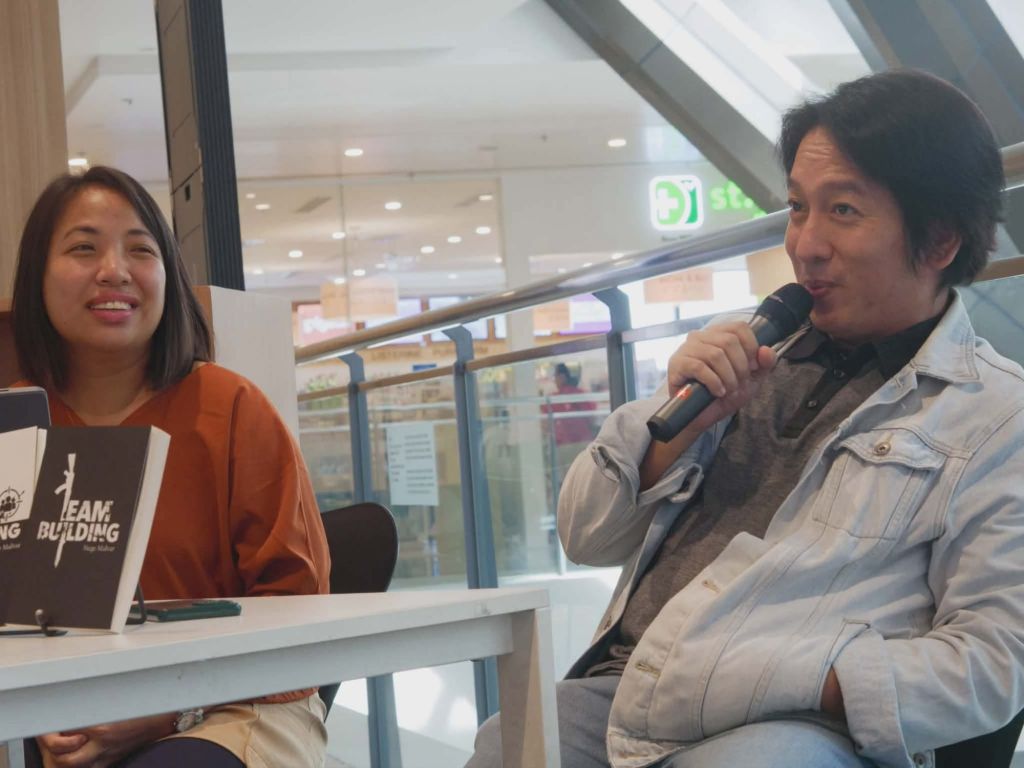
I asked Siege about his roadmapping (“Because the Office of the President asks me so!”), and he shared that he’d like to conclude the Eskinita Imprint as a trilogy, the third novella covering other explorations of characters and their respective arcs. He added that discussions are ongoing with 19th Avenida Publishing about possibly releasing an omnibus edition of Team Building to further expand the universe of PhilNutrition, Inc.
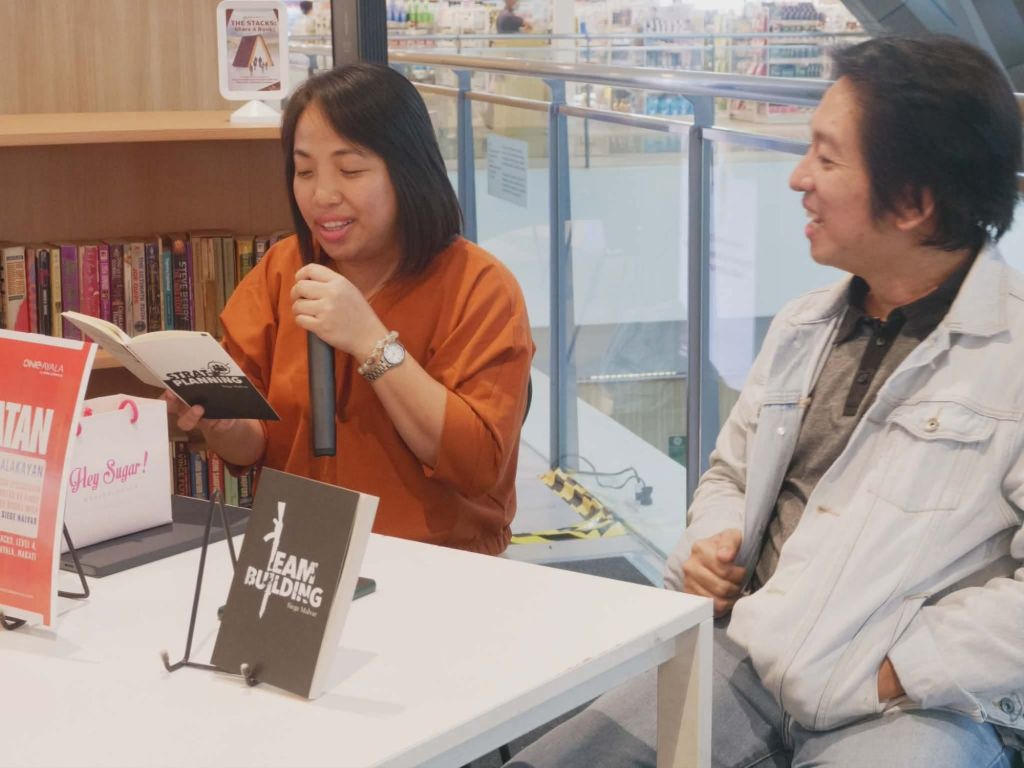
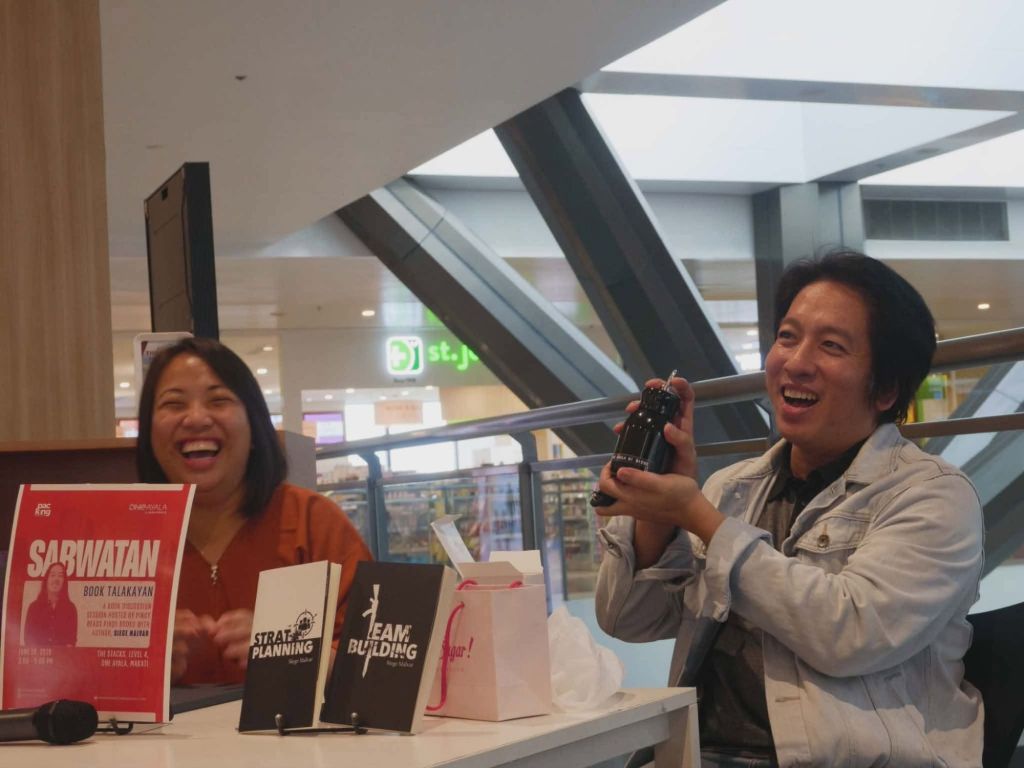
We ended the interview by giving him a faux Owala water bottle—a fitting way to wrap things up, considering how symbolic it is in the novella. It’s a plot device, a marker of social status, and perhaps the most practical reminder of all: stay hydrated while surviving the chaos of corporate life.